BabyAnime: gentle and funny anime, from Go! Anpanman, Shimajiro and Bottle Fairy to Cromartie High School, Kum Kum, Little Witch Chappy and Anime Kapibara-san, and where to watch it
150 Japanese animated titles from 1971 to 2026: 120 series and 30 films, chosen for the whole household.
Latest Releasemore »
 Movie
Movie 12 ep
12 ep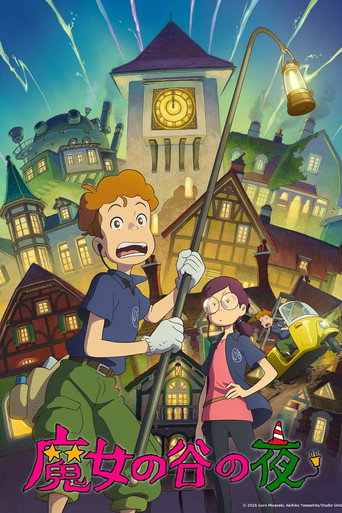 Movie
Movie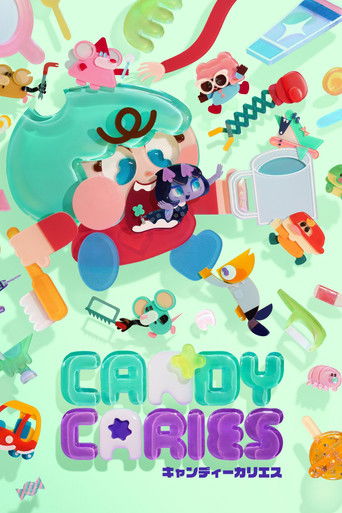 24 ep
24 ep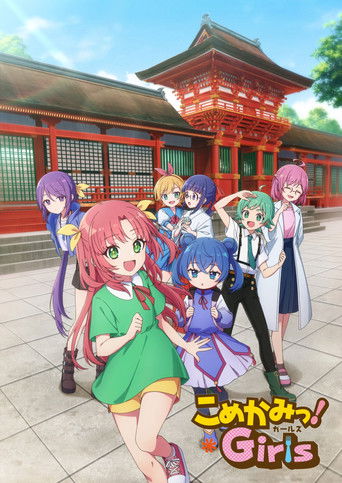 12 ep
12 ep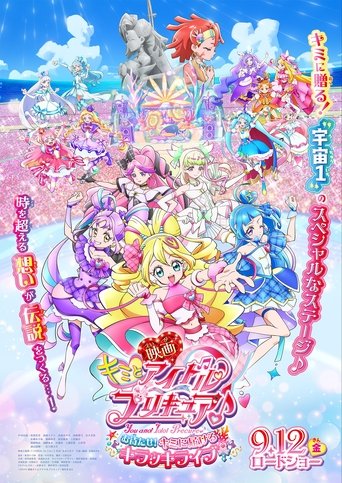 Movie
MovieNew & Hot Animemore »
 12 ep
12 ep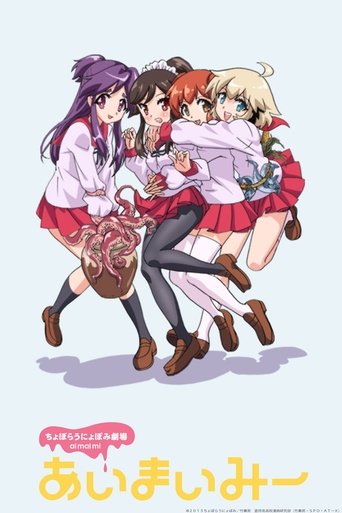 37 ep
37 ep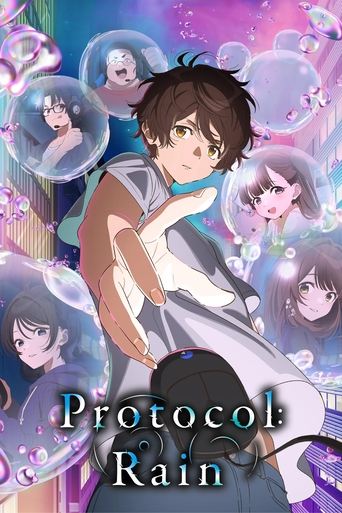 12 ep
12 ep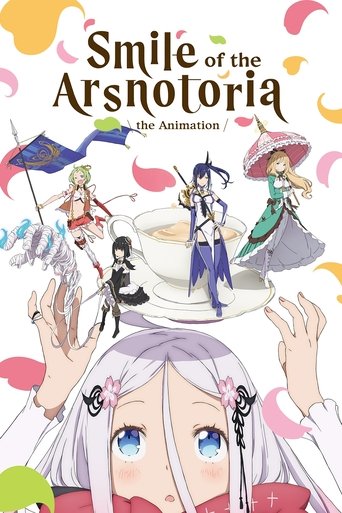 12 ep
12 ep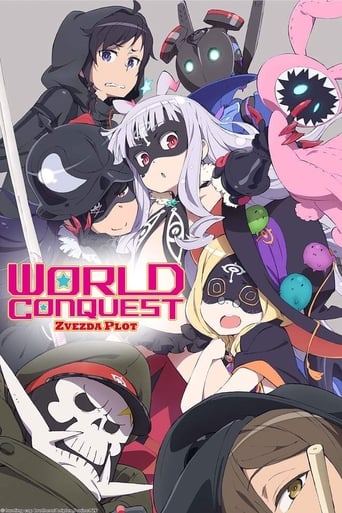 12 ep
12 ep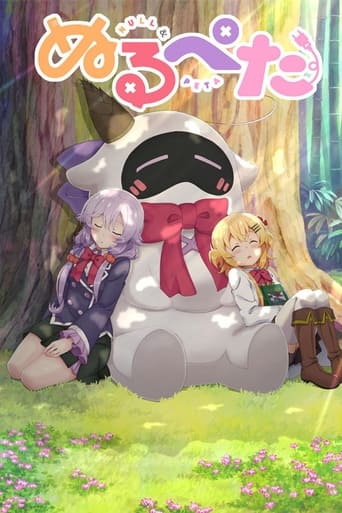 12 ep
12 epPopular Animemore »
 26 ep
26 ep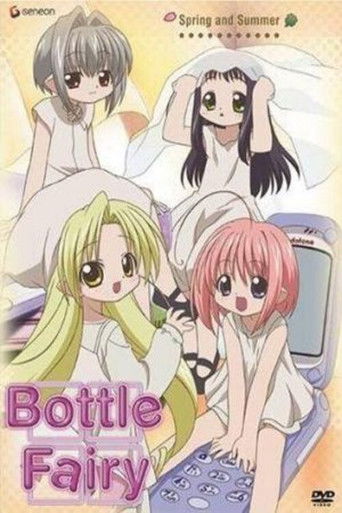 13 ep
13 ep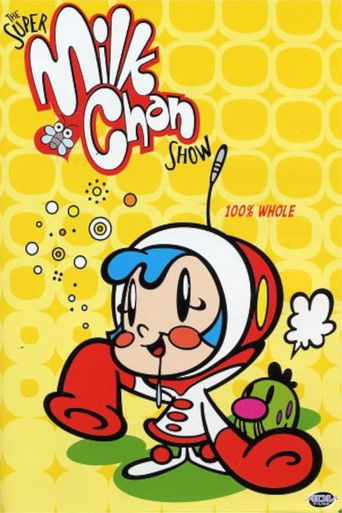 52 ep
52 ep 12 ep
12 ep 4 ep
4 ep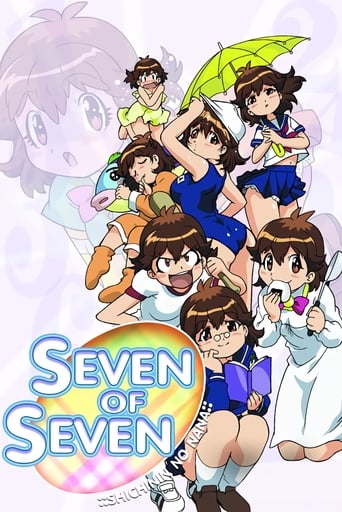 26 ep
26 ep 26 ep
26 ep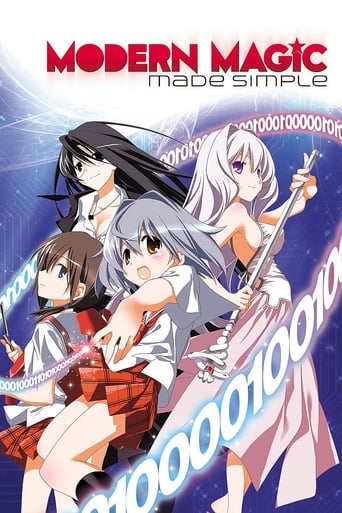 12 ep
12 ep 52 ep
52 ep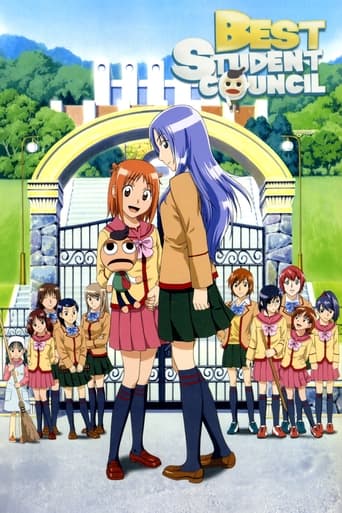 26 ep
26 ep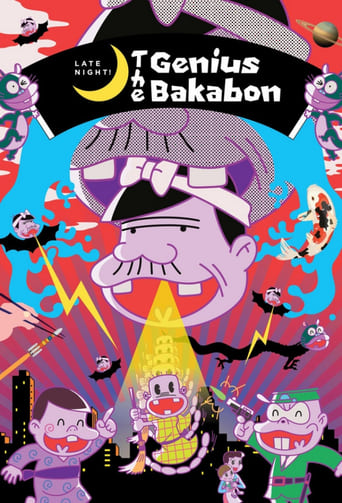 12 ep
12 ep 26 ep
26 epFor Little Onesmore »
 Movie
Movie Movie
Movie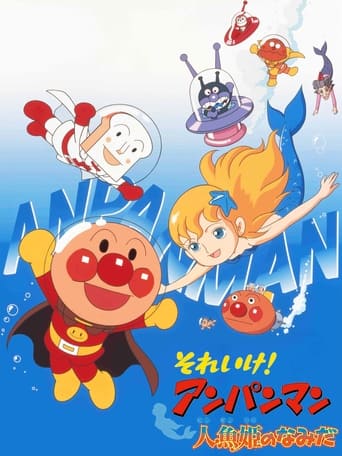 Movie
Movie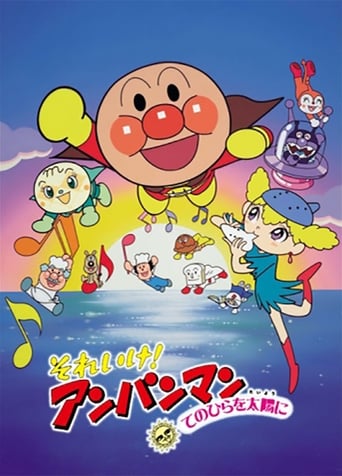 Movie
Movie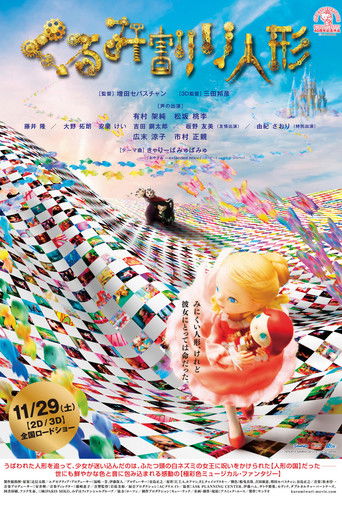 Movie
Movie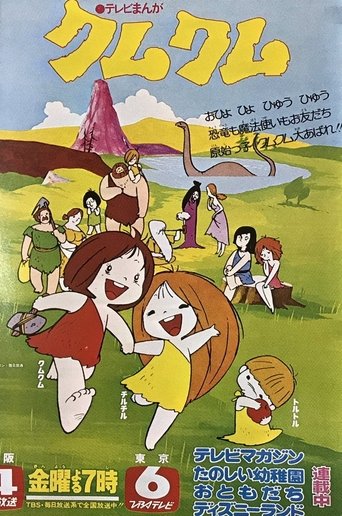 26 ep
26 epMovie Listmore »
 Movie
Movie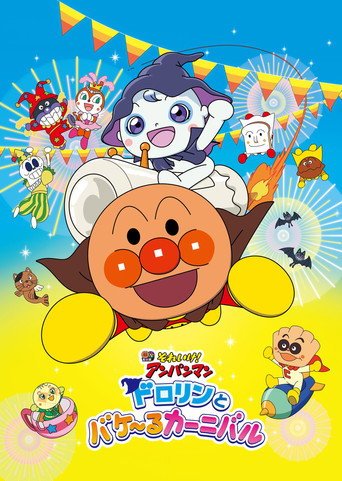 Movie
Movie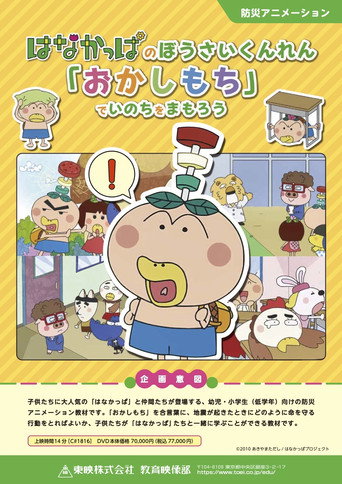 Movie
Movie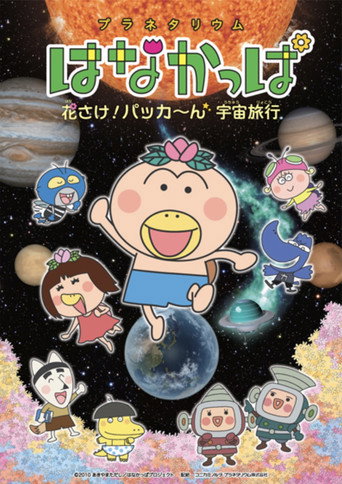 Movie
Movie Movie
Movie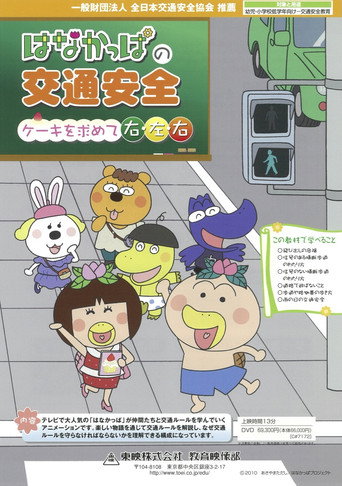 Movie
MovieGentle and funny anime for the whole household: the BabyAnime guide
BabyAnime: gentle and funny anime, from Go! Anpanman, Shimajiro and Bottle Fairy to Cromartie High School, Kum Kum, Little Witch Chappy and Anime Kapibara-san
The anime that travels abroad is mostly made for teenagers and adults: long adventures, tournaments, epics of fantasy. At home in Japan there is another kind, far larger in number and far less known outside the country. It is the anime that small children watch before nursery school, the five-minute comedy that fills a gap in the evening schedule, the film shown at a city museum or a theme park, the series about a capybara in a hot bath or a class of pupils who are all rice. BabyAnime is a guide to 150 titles of this gentler sort, made between 1971 and 2026: 120 series and 30 films. Each has its own page, with its story, its year and genres, its episodes, and a Watch now button that leads to the official services carrying it in your country.
The catalogue has been chosen for the whole household. Every title was read through by hand. The selection favours films and series made for young children, comedies of school and everyday life, light fantasy, and classic television series from the 1970s and 1980s. Titles built on violence, on horror or on suggestive humour were left out, as were the very long serials of several hundred episodes. A good many of the series here have short episodes, three to twelve minutes, and short seasons, and they suit the viewer who wants something cheerful and brief.
This guide explains what the collection contains, walks through each list, suggests a first month of viewing, and ends with questions and answers. Every title named here has a page on BabyAnime, and a click on its name opens that page.
The shape of the collection
The home page is built of blocks with crimson headings. Latest Release shows the newest titles; New and Hot Anime the most watched of recent years; Popular Anime the most watched of all; For Little Ones the films and series made for small children; and Movie List the films. A narrow column on the right lists short series by name, with the number of episodes beside each, and gives the size of every list on the site. Each poster carries a small crimson label showing whether the title is a film or how many episodes it has.
By period, 15 titles date from before 1990, 14 from the 1990s, 27 from 2000 to 2009, 46 from 2010 to 2019 and 48 from 2020 onwards. By kind, 116 are comedies of one sort or another; 59 involve magic, robots or space; 47 are meant for small children; 41 are set in school; 36 are adventures with a hero; and 26 have animals at their centre. Sixty series have thirteen episodes or fewer and are gathered in a list of their own.
A word on length may be useful, because Japanese television uses forms that are rare elsewhere. The standard series has episodes of about twenty-three minutes and runs for one season of twelve or thirteen weeks. The short series, of which there are many here, has episodes of two to five minutes and is often shown inside another programme or released online. The original video animation, a film or short series made for sale on tape or disc ahead of any broadcast, accounts for several of the older titles. And the event film, made for a museum, a planetarium or a road-safety campaign, is a small Japanese speciality that gives this catalogue some of its most charming entries.
Anpanman
Eleven films here belong to the most popular character among small children in Japan. Anpanman was created by the picture-book artist Takashi Yanase. His head is a round bun filled with sweet red bean paste, baked each morning by the kindly Uncle Jam, and when he meets someone who is hungry he breaks off a piece of his own head and gives it away. Wet or damaged, he loses his strength, and a fresh head must be thrown to him from the bakery. His opponent, Baikinman, is a germ from a distant star who flies a small saucer and is always scheming and always, in the end, sent spinning over the horizon. The series has run on television since 1988 and holds a world record for the number of characters it has introduced, almost all of them foods.
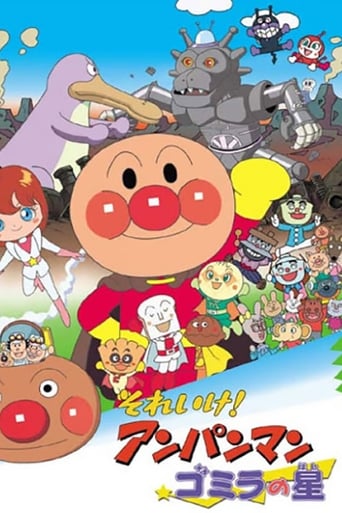
The films are short, bright and complete in themselves. In Go! Anpanman: The Flying Picture Book and the Glass Shoes, a sequel to the tale of Cinderella is found in a library and its characters step out of the pages. Go! Anpanman: Tears of the Mermaid Princess takes the hero under the sea, and Go! Anpanman: Gomira's Star to a planet buried in rubbish, with a gentle lesson about tidiness. Go! Anpanman: The Palm of the Hand to the Sun follows a troupe of travelling players. Go! Anpanman: Princess Black-Snow and Popular Baikinman gives the villain an admirer. Go! Anpanman: Dororin and the Transformation Carnival and Let's Go! Anpanman: Baikinman and Lulun are the newest, the second a much praised film in which Baikinman is drawn into a picture book and must, for once, do the rescuing.
The older and shorter entries, Go! Anpanman: Omusubiman, about a wandering rice-ball swordsman, Go! Anpanman: Dokin-chan's Doki Doki Calendar, Go! Anpanman: Anpanman and His Pleasant Friends and Go! Anpanman: Everyone Get Together! Anpanman World, were made to be shown before the main feature, and each tells two or three little stories in half an hour. For a child of two to five they are a perfect first visit to the cinema at home, and adults will find Yanase's central idea, that real heroism is feeding the hungry at some cost to oneself, more moving than they expect.
More for little ones
Forty-seven titles are listed For little ones, and after Anpanman the best known are the films of Shimajiro. He is a tiger cub of nursery-school age, the hero of an educational series that Japanese families receive by post with books and toys, and his cinema films are designed for a first outing: they are under an hour, there is a short interval, and the characters ask the audience to clap, sing and wave. Shimajiro and the Flying Ship has him help the people of a forest town build an airship, and Shimajiro and the Prince of Glittering Kingdom introduces a shy young prince who has run away from a land of jewels.
Hanakappa is a small water sprite of folklore with a twist: a flower grows from the top of his head, and it changes with his mood. He has four titles here, three of them made for teaching. HANAKAPPA's Traffic Safety: Turn Right, Left, Right in Search of a Cake shows how to cross a road; HANAKAPPA's Safety Training: Let's Protect Our Lives with "O-ka-shi-mo-chi" teaches the rule that every Japanese schoolchild learns for an emergency, which is to refrain from pushing, running and talking and to stay out once out; Planetarium HANAKAPPA: Bloom! Pop! Space Travel was made for the domes of science museums; and That's HANAKAPPA Musical: Bread or Rice, Which Is It!? is a comic song-and-dance on a question that divides the breakfast tables of the nation.
Komaneko: A New Journey returns to one of the loveliest creations of Japanese stop-motion, a small felt kitten who lives with her grandfather and makes animated films of her own with a camera and two dolls. The films are almost wordless and are completely absorbing. Mojappi -It's Mine!- is about three shaggy rascals and a plate of pancakes. Dayan in Wachifield follows the cat Dayan, hero of a long series of picture books, through a land where animals walk upright. Little Polar Bear is the Japanese film of the European picture book about Lars, the cub who drifts south on a piece of ice and has to find his way home.
Prince Mackaroo the Movie: The Promised Summer - Ojaru and Semira comes from a public-television favourite about a small prince of the Heian court, a thousand years ago, who has dropped into a modern town and lives with an ordinary family while three little demons try to recover a sceptre he has borrowed. The film is a gentle half-hour about a summer friendship. Tama and Friends: Have You Seen My Tama? revives a much loved cat of the 1980s and his neighbourhood of dogs and cats in episodes of a few minutes each. Little Ghosts, There, Here, and Where is about three friendly ghosts who live in a house with a family, one of whom cooks. Santa's Mountain Fairy Forest is set among the helpers of Santa Claus in Lapland.
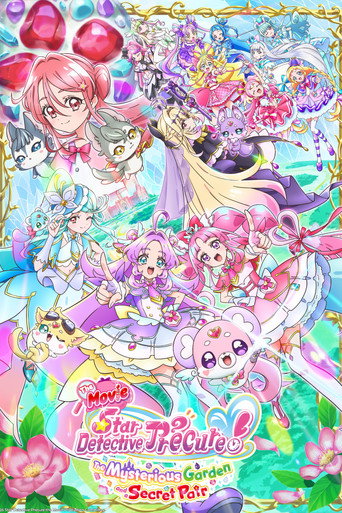
Two films from the Pretty Cure series, the most popular magical-girl programme for young girls in Japan, are listed under their full titles in the Films list: one sends its heroines to a great music festival, and the other is a mystery in a garden. Their makers hand out small lights at the cinema so that the audience can wave them when the heroines need encouragement, and the films pause to ask for it.
Several series were made to teach. The How & Why, from 1984, answers a hundred questions that children ask, why the sea is salt, why volcanoes erupt, in a hundred short episodes. Obake Zukan is an illustrated guide to the spooks of Japanese folklore which explains, one by one, why each of them is less alarming than it looks. Candy Caries is about a girl who loves sweets and the small creature named Caries who lives in her mouth and would like her to brush less. Pochitto Hatsumei: Pikachin-Kit follows a boy of eleven who builds a different invention each week from a kit, and Space Academy a boy who means to be an astronaut.
Classics of the 1970s and 1980s
Twenty-nine titles date from before 2000, and the earliest belong to the years when Japanese television animation was finding its forms. Little Witch Chappy, from 1972, is one of the first magical-girl series. Chappy is a young witch who finds the land of magic dull and old-fashioned and comes to live among humans with her family and a talking panda, using a wand for small good deeds and occasional mischief. The series was made by the studio that invented the genre, and it shows the pattern, a magical child keeping her secret in an ordinary town, that hundreds of later series would follow.
Kum Kum, from 1975, is a comedy of the Stone Age. Kum Kum is a small, fearless, disobedient boy who lives in a mountain cave with his parents and baby sister, plays with his friends among mammoths and friendly dinosaurs, and gets into trouble in every episode. It was designed by Yoshikazu Yasuhiko, later one of the most celebrated artists in anime, and it was shown and loved in Europe and Latin America as well as Japan. Nell the Wandering Girl, from 1979, adapts a novel by Charles Dickens: a girl and her grandfather, who has lost his curiosity shop, take to the roads of Victorian England, and the series follows the Japanese custom of that time of turning the classics of world literature into a full year of careful, faithful episodes.
The 1980s brought a taste for comedy. Tonde Mon Pe is about a country girl of fifteen who comes to the city hoping to design clothes and finds work looking after a baby with unusual powers. Ninjaman Ippei is set in a village school where the children of ninja families learn their trade. Anmitsu Hime: From Amakara Castle is the tomboy princess of a small feudal castle, who would far sooner slip out to the town than learn court manners; her name means a sweet dessert, and the whole cast is named after food. Norakuro-kun brings a famous black dog from the comics of the 1930s into a modern Tokyo household. Oraa Guzura Dado is a remake of a comedy about a hungry little monster hatched from an egg, who eats metal and blows fire.
Mock & Sweet, Little Big Nose, about a small prince of the goblin world loose among humans, and Showa Era Idiot Story Book: Most Refined, a comedy of a boy from the far north who arrives at a Tokyo school determined to be the most refined pupil in it, complete the decade. Star Cat Full House, from 1989, is a short and funny space adventure about three young women who run a delivery ship with a talking cat. Over the Rainbow: The Story of Young Diana, made in 1986, is a curiosity: a Japanese animated account of the childhood of the Princess of Wales.
The 1990s
The fourteen titles of the 1990s are a mixed and lively group. Super Radical Gag Family is the madcap life of the Osawagi household, parents, grandfather and children, in a style of comic exaggeration that Japanese children adore; The Super Milk-Chan Show is a deadpan parody in which a baby in a bonnet receives missions by telephone from the president and carries out very few of them. Time Bokan: Royal Revival gathers the comic villains of a long line of time-travel series for a race. The Enemy's the Pirates! is a science-fiction comedy about two space detectives, one of them a large hungry cat. If I See You in My Dreams is a gentle romantic comedy about a very shy office worker.
The 2000s
Twenty-seven titles come from the first decade of the new century, when late-night television gave studios room to try small, eccentric ideas. Super GALS! is a bright, noisy comedy about the fashionable girls of the Shibuya district of Tokyo, whose leader comes from a family of police officers and keeps the peace of her patch in her own way. Comic Party and Kujibiki Unbalance look at the hobbies of the young. Petopeto-san imagines a school shared by human children and friendly spirits of folklore. Funny Pets, Peeping Life and The World of Golden Eggs, a deadpan comedy of the inhabitants of an imaginary town, were among the first series made wholly by computer for comic effect, and their jerky, toy-like movement is part of the joke. Yutori-chan, at the end of the decade, is a workplace comedy about three new recruits brought up under three different school systems, each with its own idea of effort.
Taken together with Bottle Fairy, Cromartie High School and Hitohira, these series show how varied the lighter side of anime had become by 2010, and they prepared the ground for the flood of short comedies that followed.
School and everyday comedy
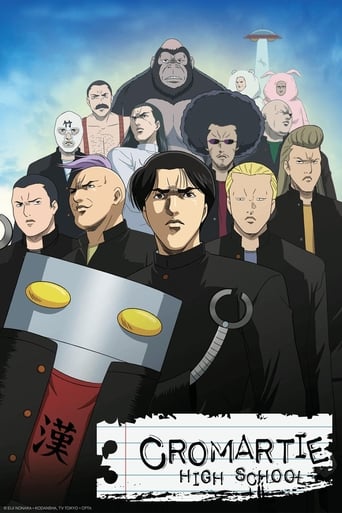
Comedy is the heart of the collection, and the school is its favourite stage. Cromartie High School is the masterpiece of the form. Takashi Kamiyama, a polite and studious boy, enrols by mistake at the roughest school in Tokyo, where every other pupil is a tough of legendary reputation. The joke is that these fearsome figures spend their days in anxious, courteous discussion of trifles: who has been forgetting a classmate's name, whether one of them is a robot, why there is a gorilla at the back of the room. Episodes last twelve minutes, the tone is perfectly straight-faced, and the series has a devoted following around the world. It is a parody of an older kind of comic about school gangs, and suits older children and adults.
Best Student Council is about a cheerful girl with a talking glove puppet who is elected to the all-powerful council of an academy. Kujibiki Unbalance imagines a school where the council is chosen by lottery. Hitohira is a tender series about a girl so shy that she can hardly speak, who is recruited by a drama club because, when she does speak, her voice carries to the back of the hall. Double-J is set in a club devoted to preserving traditional crafts, each member a master of something small and exacting. Hamidashi Creative puts an introvert in charge of a student council by the luck of the draw, and The Best!! Extremely Cool Student Council President follows a level-headed girl with the same ambition through more than a hundred short episodes.
100% Teacher Pascal is about a primary-school teacher who is a great deal sillier than his pupils and is adored by them. Gakkatsu! stages absurd class debates. The Glass Mask Year 3 Class D moves the heroines of a famous manga about the theatre into a modern classroom as a comedy. Love Kome: We Love Rice is one of the oddest premises in anime: at an academy of grains, five new pupils who are varieties of rice form a singing group to win back popularity from bread. Ai-Mai-Mi follows the three members of a manga club in episodes of three minutes that seldom go where they seem to be heading.
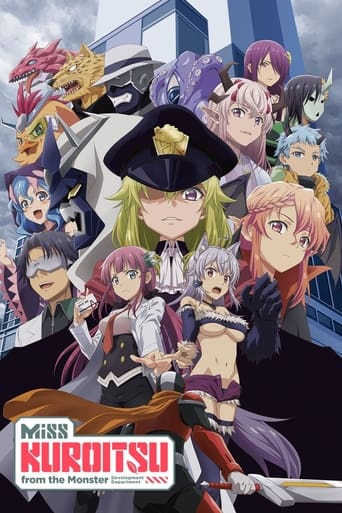
Outside school, the workplace has its comedies. Miss Kuroitsu From the Monster Development Department is set in the research section of a villainous organisation, where a hard-working young assistant must design a new monster every week, on budget, for a boss who keeps changing the brief; it is a kindly satire on office life. On Air Dekinai! follows a new assistant director through her first year in television. ABCiee Working Diary and Araiguma Calcal-dan, in which five raccoons staff the lesser branch of a company, are short and good-natured, and Nazotokine sends a secretary into a world of puzzles which the viewer may solve along with her.
Some comedies are simply about living. Insufficient Direction is a comic artist's account of her marriage to a famous animation director and of a household entirely given over to cartoons and toys. Peeping Life records ordinary conversations, a couple choosing dinner, two friends waiting for a train, improvised by actors and then animated. Yurumates3Dei, Colorful na Everyday and Haitai Nanafa, which is set at a noodle shop on the island of Okinawa and was made by a local studio, belong to the same relaxed family. Insufficient Direction and Comic Party, about a schoolboy drawn into the world of amateur comics, also give a glimpse of how the people who love anime live.
Magic and space
Fifty-nine titles involve magic, robots or other worlds. Bottle Fairy is the gentlest of them and one of the most popular titles on the site. Four tiny fairies, each living in a glass bottle on a student's shelf, would like to become human, and try to learn about the human world one month at a time: in April they study school, in July the seaside, in December the end-of-year cleaning. They understand everything a little wrongly, and the result is thirteen episodes of pure charm.
Sasami: Magical Girls Club is about a girl who has had to hide her powers since she was small and who finds, at school, four others like her. Twin Angel Break has two schoolgirls as secret heroines. Smile of the Arsnotoria the Animation is set at a boarding school of magic where the chief business is afternoon tea. Modern Magic Made Simple treats spells as computer programs, and Seven of Seven splits one shy girl into seven versions of herself, each with a different temper, who must share a bedroom and a school desk.
In space, RobiHachi is a road comedy among the stars: a luckless reporter and a runaway youth travel from planet to planet towards a legendary destination, in a loving parody of an old Japanese tale of two travellers on the highway to Kyoto. Mars Daybreak is an adventure on a Mars covered by ocean. World Conquest Zvezda Plot concerns a very small girl who announces that she will conquer the world and has, it appears, the organisation to do it. Dokkoida!? is a parody of hero series, and Gargoyle of Yoshinaga House gives a family a talking stone guardian, won in a shopping-street lottery, who takes his duties very seriously.
Heroes and adventures
Thirty-six titles are adventures. For primary-school viewers there are the series made alongside games and toys: Gaist Crusher, in which young heroes wear armour of a living metal; Dragon Collection, about an ordinary schoolboy drawn into a land of dragons; Mazica Party, whose wizards gather magical creatures to save their world; and Tank Knights Portriss, a Korean and Japanese production about a boy, a robot and a planet of machines. Kenda Master Ken makes a hero of a boy with a cup-and-ball toy, and Kick & Slide turns the members of a pop group into cartoon characters.
Several famous live-action heroes appear in animated miniatures. Kamen Rider Zero-One Short Anime: Everyone's Daily Life and Geats Extra: Geats Anime - Another Grand Prix shrink the casts of two recent series about masked riders into comic shorts. Kamen Rider Fourze × Crayon Shin-chan brings one such hero together with the most mischievous five-year-old in Japanese comics. Katana Maidens ~ Mini Toji, Fate/Grand Carnival, Umayuru: Pretty Gray and Robot Girls NEO do the same for well-known anime and games: the characters are drawn small and round, the stories are jokes, and the episodes last a few minutes. Viewers who know the originals will enjoy the references, and those who are new to them will simply find them funny.
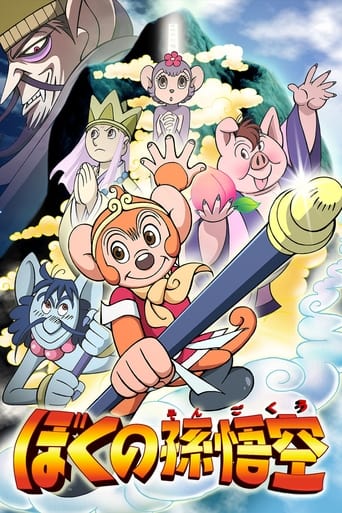
My Son Goku deserves a special mention. Made in 2003 from the comics of Osamu Tezuka, it retells the Chinese legend of the monkey born from a stone, who learns magic, challenges heaven and is sent to escort a monk on a long journey to the west. Tezuka was the founder of modern Japanese comics and animation, and this was the story that first made him want to draw. Neo Angelique Abyss is a fantasy in which a schoolgirl with a healing gift joins four companions, and Guardian Ninja Mamoru a comedy about a clumsy boy in thick glasses who is, in secret, the latest of a line of ninja sworn to protect the girl next door.
Animals
Twenty-six titles have animals at their centre, and they are among the most soothing things in the collection. Anime Kapibara-san follows a capybara, the large and placid rodent that Japanese zoos have made famous by providing it with hot baths in winter, and his friends through days in which very little happens, slowly. Shiba Inuko-san is about a schoolgirl whom everyone treats as perfectly ordinary, although she appears to be a small Japanese dog. Funny Pets is a wordless computer-animated comedy about two aliens kept as pets by a dancer. Ikimono-san sends a boy with a shaved head and his dog to meet one living creature after another, in a series that stays silent and shows a great deal.
Neko ga Kureta Marui Shiawase is the true-to-life diary of a designer of thirty and the round cat who rearranges her days. The Tama series is for cat lovers too, and Welcome to the JAPARI PARK is set in a vast zoo whose animals have taken human form. Among the films, the polar bear cub, the felt kitten and the cat Dayan have been mentioned.
Songs and idols
A number of recent series are built around music. IDOLiSH7 Vibrato tells side stories of the members of a popular singing group, and Idol Memories imagines performers of the near future who appear to their audiences through virtual reality. Hulaing Babies is about schoolgirls who form a hula dance team, in very short episodes. Hagane Orchestra is a comedy drawn from a game. Get Up! Get Live! #Geragera follows young comedians in training, and Virtual-san Looking is a variety show hosted by animated presenters of the kind who have become stars of online video. Tabi Hani turns a singer's travels into a short film of a schoolgirl's first journey alone.
These series will mean most to viewers who already follow the performers, but they are a fair picture of a large part of Japanese popular culture, in which singers, voice actors, games and cartoons are parts of a single entertainment, and they are cheerful and harmless.
How children's anime is made and shown
It helps to know a little about how this kind of anime reaches its audience at home. Japanese children's television keeps regular hours. The programmes for the youngest are shown in the early morning and the late afternoon, on the public broadcaster and on a handful of commercial channels, and many of them have kept the same slot for decades. A series such as Anpanman is a fixture of the week, like a meal; its cinema film each summer is a family event; and its characters appear on lunch boxes, in museums and at railway stations. The films on BabyAnime come out of that world, and they assume an audience that knows the characters already. A newcomer needs only a minute to catch up, since the stories are simple and the cast introduce themselves.
The picture book stands behind a great deal of this. Anpanman, Dayan, the polar bear cub and Hanakappa were all books before they were films, and their makers took care to keep the look of the page: flat, clear colour, firm outlines, round shapes. Stop-motion, in which felt or clay figures are moved a fraction at a time, has a special place as well. It is slow and expensive, and Japanese studios use it for small, precious projects such as Komaneko: A New Journey and The Nutcracker 3D, which were years in the making.
The short comedy has a different origin. Japanese channels sell their evening hours in small parcels, and a gap of five minutes between two programmes is a slot like any other. Studios learned to fill such gaps with tiny series made by small teams, often drawn from four-panel comic strips in newspapers and magazines, and the form has flourished online, where a new episode of two or three minutes can be released every week. Ai-Mai-Mi, Yurumates3Dei, Mamekichi Mameko – The Daily Life of a NEET and Colorful na Everyday all began as strips of this kind, and they keep the rhythm of the strip: a set-up, a turn, and a last panel that undoes everything.
Many series are tied to something else, a game, a toy, a line of stationery, a singing group. Viewers elsewhere sometimes regard this with suspicion, but in Japan it is simply how popular culture works, and the results are often made with real affection. Hi☆sCoool! SeHa Girls, listed in the school comedies under its full title, turns three generations of video-game consoles into classmates, and is one long, fond joke for anyone who grew up with them.
Daily life on screen
One of the quiet pleasures of these series is how much of ordinary Japanese life they show. The school year begins in April, under the cherry blossom, and the calendar that follows, with its sports day, its summer festival, its culture festival in autumn and its great cleaning at the end of December, shapes almost every school comedy; Bottle Fairy is in effect a tour of that calendar, month by month. Food is everywhere, and is taken seriously. Anpanman's friends are buns, rice balls and noodles. Love Kome: We Love Rice and Komekami! Girls are both, in their odd way, hymns to rice. The quarrel between bread and rice at breakfast is the subject of a Hanakappa musical.
Regional Japan appears too. Haitai Nanafa is set in Okinawa, the subtropical island chain in the far south, and uses its music, its dialect and its guardian lion statues, which come to life. Togane! Festival Club is named for a town east of Tokyo and its festival. Showa Era Idiot Story Book: Most Refined makes comedy from the meeting of the rural north and the capital. And the public bath, the neighbourhood shopping street with its lottery, the tiny flat and the long commute by train turn up again and again as the settings of the short comedies.
Children who watch with a curious adult will pick up a surprising amount: how a Japanese classroom is cleaned by its own pupils, what is eaten at New Year, why shoes are left at the door. Subtitles usually translate the dialogue and leave such details to explain themselves, and they generally do.
A few words of Japanese
Most titles are offered with English subtitles on international services, and the programmes for the youngest are sometimes dubbed. Families who watch in Japanese will find that small children's anime is excellent for the ear: speech is slow and clear, phrases are repeated, and the same greetings open and close each episode. The words for thank you, good morning, let us eat and well done are learned within a week, and the Anpanman theme song a little after that.
The page for each title gives its name in Japanese as well as in English, which is useful when searching a Japanese service. Titles are listed under the English name where one is in general use and under the romanised Japanese name otherwise, so Obake Zukan, Tabi Hani and Oraa Guzura Dado appear as their makers wrote them.
Short series
Sixty series have thirteen episodes or fewer, and many of those have episodes of under ten minutes. The whole of Bottle Fairy can be watched in an evening. So can Null & Peta, in which a girl genius builds a robot in the likeness of the elder sister she misses, and Hitohira, RobiHachi and World Conquest Zvezda Plot make a comfortable weekend each. Protocol: Rain is a drama of twelve episodes about a schoolboy who works at an electronic sports café and the team that forms around him.
The very short series are best taken a few at a time, like sweets. Ai-Mai-Mi, Strange+, gdgd men's Party, in which two friends who love video games are pulled into one, Tales of Gekijou, which asks what the heroes of a role-playing game do while the player is away, and One Piece in Love, about three school friends, one of whom thinks only of a famous pirate comic, are all of this kind. Late Night! The Genius Bakabon revives one of the great comic families of Japanese cartoons, a father of magnificent foolishness, his sensible wife and their two sons, with a great many jokes about how television has changed since they were last on it. Inazma Delivery is a slapstick comedy about a delivery boy and a small alien in a city that runs on lightning.
Films and specials
Thirty films are listed, most of them under an hour. Besides the Anpanman, Shimajiro and Hanakappa films and the stop-motion and picture-book titles already described, there are several that were made for a single place. Night in the Valley of Witches is set in the witches' valley of a celebrated animation studio's park. Genji Fantasy: The Cat Fell in Love With Hikaru Genji was made for a museum in the city of Uji devoted to the oldest novel in Japan, and tells its story through the eyes of a cat. The Nutcracker 3D restores and extends a puppet film of the famous ballet story that was first made in 1979 by the company behind a certain white kitten.
The page for each film gives its running time, and the label on its poster reads Movie. Because so many of these films are short, they are easy to add to an evening that has already included an episode or two of something else.
Choosing by age
The whole catalogue was chosen with a mixed household in mind, but titles differ in the age they suit, and a few notes may help. For children of two to six, begin with the list For little ones: the Anpanman, Shimajiro and Hanakappa films, Komaneko: A New Journey, Mojappi -It's Mine!-, Little Polar Bear, Tama and Friends: Have You Seen My Tama? and Little Ghosts, There, Here, and Where are made for exactly that age.
From six to ten, add the classic series, Kum Kum, Little Witch Chappy, Ninjaman Ippei, Norakuro-kun and Anmitsu Hime: From Amakara Castle, together with Bottle Fairy, The How & Why, Obake Zukan, Space Academy and the adventure series made with games. From about ten, the school comedies and the light fantasies come into their own.
A group of the comedies were written for teenagers and adults and are included because they are good-humoured and free of anything harsh: Cromartie High School, Miss Kuroitsu From the Monster Development Department, Insufficient Direction, Peeping Life, The Super Milk-Chan Show, Late Night! The Genius Bakabon and On Air Dekinai! depend on a knowledge of working life or of older cartoons that younger children will lack, and may simply puzzle them. The official services listed by JustWatch show an age rating for every title, and it is always worth a glance before the first episode.
Using BabyAnime
The site keeps the look of the one it is named for: a dark grey page, a black header with a crimson line beneath it, and blocks with crimson headings. The header carries the name and the search box, and the menu below it opens the Anime List of series, the Movie List of films, the New Season list of titles from 2020 onwards, the list For little ones, the A to Z index and My List. Type a title in the search box and matches appear as you type; original Japanese titles are recognised as well as English ones.
Every title has a page of its own. At the top are the poster, the name in English and in Japanese, the year, the genres and, for a series, the number of seasons and episodes. Below come the story and a list of episodes with their dates. The Watch now button sits beside the poster. Choose your country from the list, press the button, and JustWatch opens with the services that carry that title where you live. Availability for this kind of anime varies a great deal from country to country, and Japan itself is naturally the best served, so it is worth trying a second country in the list if the first shows little.
My List is where to put the titles that catch your eye. The Add to My List button on any page records the title in the browser you are using, and the My List link in the menu shows the whole collection at any time. A button on that page saves the list as a small file for use on another device. The list stays on your device; there is neither an account nor a password, and the list is yours alone.
A first month
For a household new to this side of anime, here is one way to spend four weeks.
In the first week, start small. Watch Bottle Fairy, two or three episodes at a time, and give the youngest viewers one of the Anpanman films, perhaps Go! Anpanman: Tears of the Mermaid Princess.
In the second week, go back in time. Kum Kum and Little Witch Chappy show what Japanese children were watching fifty years ago, and they have aged very gracefully.
In the third week, laugh. The first episodes of Cromartie High School for the older members of the household, and 100% Teacher Pascal or Super Radical Gag Family for the younger, will show two quite different kinds of Japanese humour.
In the fourth week, slow down. Anime Kapibara-san, Komaneko: A New Journey and Hitohira ask only for attention and reward it with calm. End the month by letting each person choose one short series from the list of sixty.
After that the lists are yours to explore. Top rated holds the titles with the highest scores from viewers; the year lists let you move from 1971 to the present; and the list For little ones is always there when the smallest member of the family is in charge.
How the titles were chosen
Every title on BabyAnime was selected by a person and checked by hand. The starting point was the record of Japanese animated series and films in the children's, family and comedy categories held by TMDB with a poster, a still image and a written description, which gave nearly nine hundred candidates. From that list we set aside titles built on fighting, horror or suggestive humour, comedies that depend on national stereotypes, and serials of more than 120 episodes. We then read the description of each remaining title, kept those that a household could watch together, and looked a second time at any that raised a doubt.
The result has a clear character: 116 comedies, 59 stories of magic and space, 47 titles for small children, 41 set in school, 36 adventures and 26 about animals, with many counted under more than one heading; 120 series and 30 films. The best-known anime series have guides of their own elsewhere, so this catalogue is made of the smaller, gentler and younger titles, and each appears on BabyAnime alone among our sites. Posters and descriptions come from TMDB, and the Watch now links are provided by JustWatch, which records where each title is officially available country by country.
Questions and answers
Questions
What is BabyAnime?
BabyAnime is a guide to 150 Japanese animated series and films made between 1971 and 2026 and chosen for the whole household. Each page gives the story, year, genres and episodes, and a Watch now button that leads to the official services carrying the title in your country.
Which title should I watch first?
Start with Bottle Fairy, Anime Kapibara-san or one of the Go! Anpanman films. The first-month plan in the guide suggests an order.
Is the catalogue suitable for small children?
Yes. Every title was screened by hand, and the list For little ones holds 47 films and series made for young viewers. Some comedies are aimed at teenagers and adults, as the guide explains.
Who is Anpanman?
He is a picture-book hero whose head is a bun filled with sweet bean paste, which he shares with anyone who is hungry. Eleven of his films have a list of their own.
Why are so many series short?
Japanese television makes many series with episodes of two to five minutes. Sixty series on BabyAnime have thirteen episodes or fewer.
Are the titles available with subtitles?
Most official services offer English subtitles, and children's titles are often dubbed. The services listed for each title show what they provide.
How does My List work?
Press Add to My List on any title page. The list is kept by your own browser, free of charge, and the My List link in the menu opens it.
Does BabyAnime host episodes or downloads?
BabyAnime is a guide only. Every Watch now button leads to an official, licensed service.